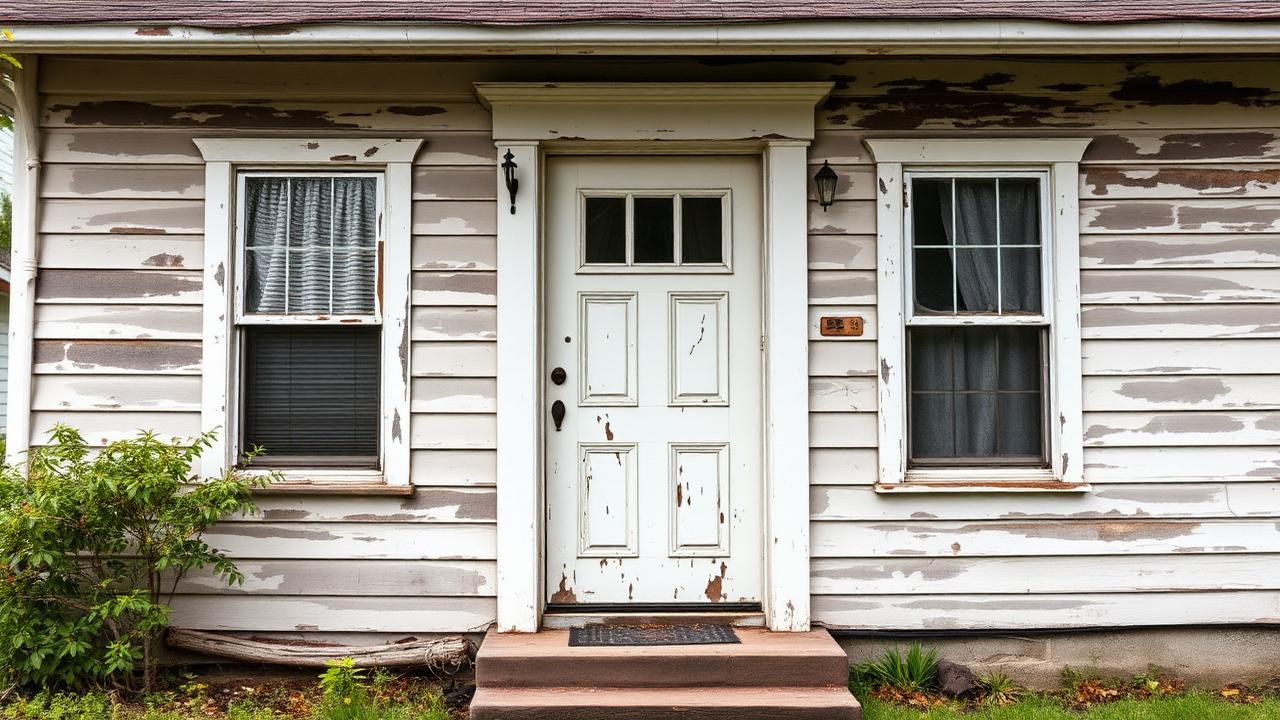
What 'Sell As-Is' Really Means for Home Sellers
The plain-English definition
Selling a home "as-is" means the seller is offering the property in its current condition and is not agreeing to make repairs or improvements before closing. The buyer accepts the home with whatever cosmetic, mechanical, or structural issues it has.
It sounds simple, and at its core it is — but there are a few important nuances that often surprise sellers.
What "as-is" does mean
- No repair obligations. You're not promising to fix anything before closing, regardless of what the home needs.
- No upgrades, staging, or cleaning to a showroom standard. The home transfers in roughly the same condition the buyer saw it in.
- Pricing reflects the condition. Buyers price an as-is home with the assumption that they'll be taking on those repairs themselves.
What "as-is" does NOT mean
This is where many sellers get tripped up. "As-is" does not mean:
- You can hide known problems. Most states still require sellers to disclose known material defects, even on an as-is sale. As-is is about who fixes things, not about whether they have to be disclosed.
- The buyer waives the right to inspect. In most as-is sales, the buyer can still inspect the property and walk away if they find something they're not comfortable with. They simply can't ask you to fix it.
- Closing costs and standard items disappear. Title fees, recording fees, prorated taxes, and similar standard closing items still apply.
Why buyers want as-is options
Cash buyers, investors, and many fix-and-flip buyers actively prefer as-is purchases. They're typically planning to renovate the home anyway, so any work the seller might do is irrelevant — or even unhelpful — to their renovation plans. They'd rather pay a price that reflects the condition and handle improvements on their own terms.
Why sellers benefit from as-is
For sellers, as-is removes one of the most stressful parts of selling: the post-inspection negotiation. In a traditional sale, buyers often present a list of requested repairs after the inspection, and the seller either does the work, gives a credit, or risks losing the deal. As-is short-circuits that entirely. The price you accept is the price you keep.
It also removes the upfront cost and time of making repairs that may or may not improve your final sale price. For a homeowner who doesn't have the cash, time, or interest to renovate before selling, this can be a major relief.
When as-is is the obvious choice
- The home has known significant repairs (roof, HVAC, plumbing, foundation, etc.).
- It's been a rental, an inherited property, or a long-vacant home.
- You're going through a life event — divorce, job loss, relocation — and don't have bandwidth for a renovation.
- You've gotten estimates for repairs and the math doesn't work.
When as-is may not be the best fit
If your home is in genuinely good shape, with mostly cosmetic updates needed, you may net more by making a few targeted improvements before listing. As-is pricing assumes the buyer will be taking on work, so a home that doesn't need much work usually doesn't benefit from selling that way.
Final thoughts
"As-is" is a powerful, sensible option for the right seller — but it's not a magic shield. Disclose what you know, accept that pricing will reflect condition, and choose buyers carefully. Done right, an as-is sale is one of the simplest, fastest ways to move on from a property without spending weeks negotiating repair lists.